Health is a fundamental part of our well-being and quality of life. It is influenced by various factors, including our environment, diet, physical activity, and access to healthcare.
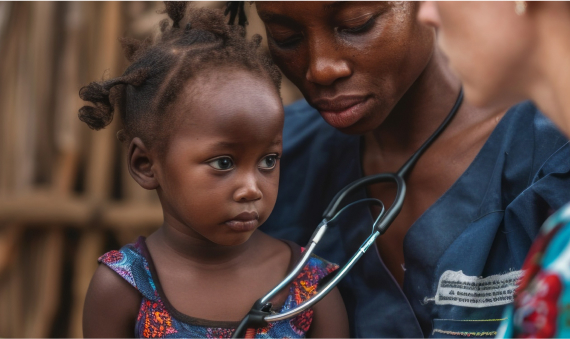
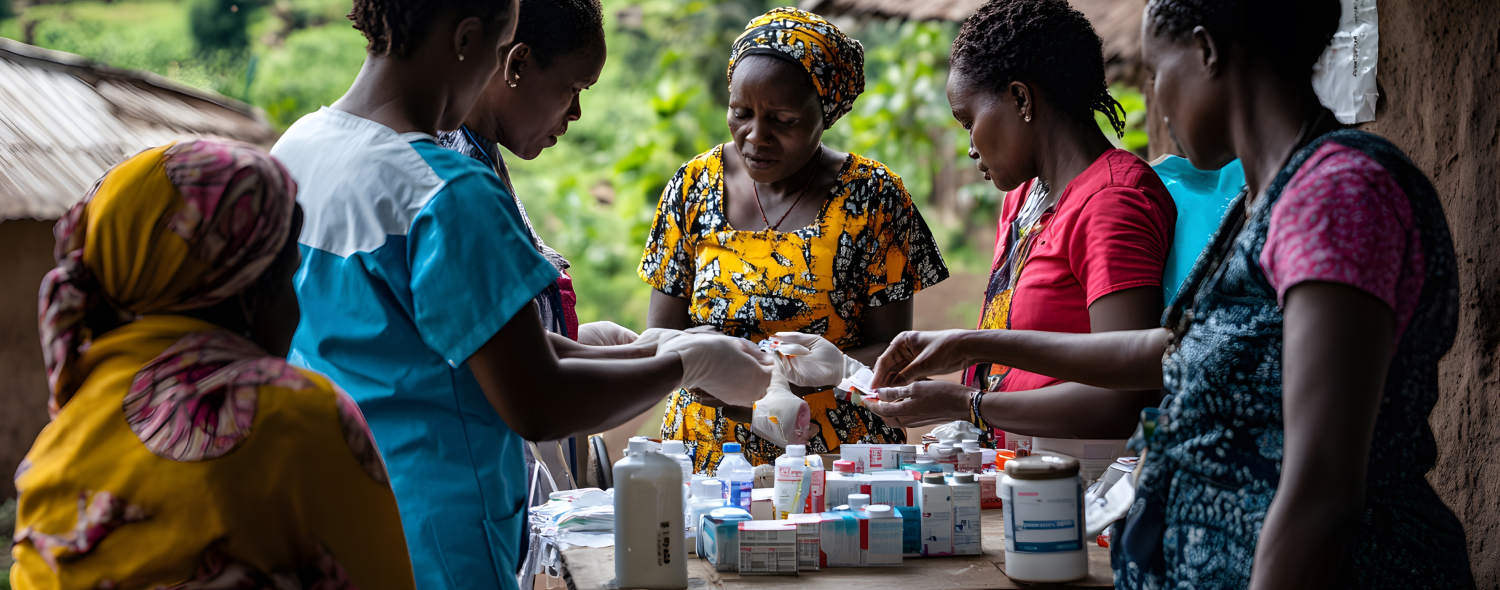
In Africa, as in the rest of the world, health is a major issue, often linked to access to education. Despite recent advances in the health sector, many challenges remain. Poverty, lack of adequate healthcare infrastructure, lack of qualified human resources, malnutrition and infectious diseases continue to jeopardize the health of millions of people in Africa. Women and children are particularly vulnerable, not least because of the high prevalence of maternal and infant mortality. Access to quality healthcare is key to improving health in Africa. However, many obstacles limit access to care, including the geographical remoteness of health centers, the high cost of treatment, language and cultural barriers, and the prejudice and stigma associated with certain diseases. Education can play an important role in improving health in Africa.
Indeed, better education can help raise awareness of the importance of a healthy lifestyle, disease prevention and access to healthcare. Educated women are also more likely to take care of their own health and that of their families, ensuring that their children receive the care they need and adopting healthy practices on a daily basis. In conclusion, health is a major issue in Africa, and access to quality healthcare remains a major challenge.
However, education can play an important role in improving health, by raising awareness of health issues and enabling individuals to make informed healthcare decisions.