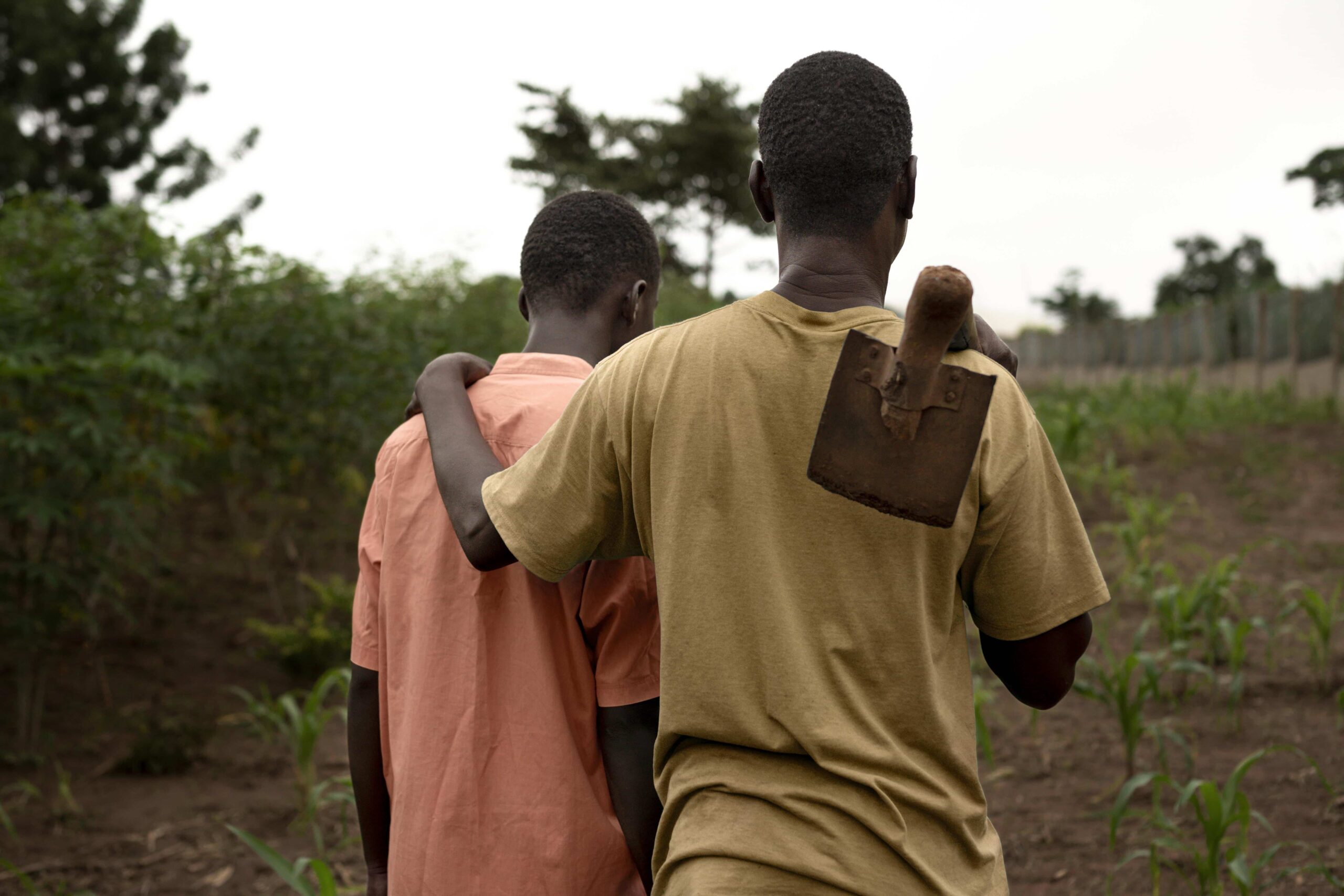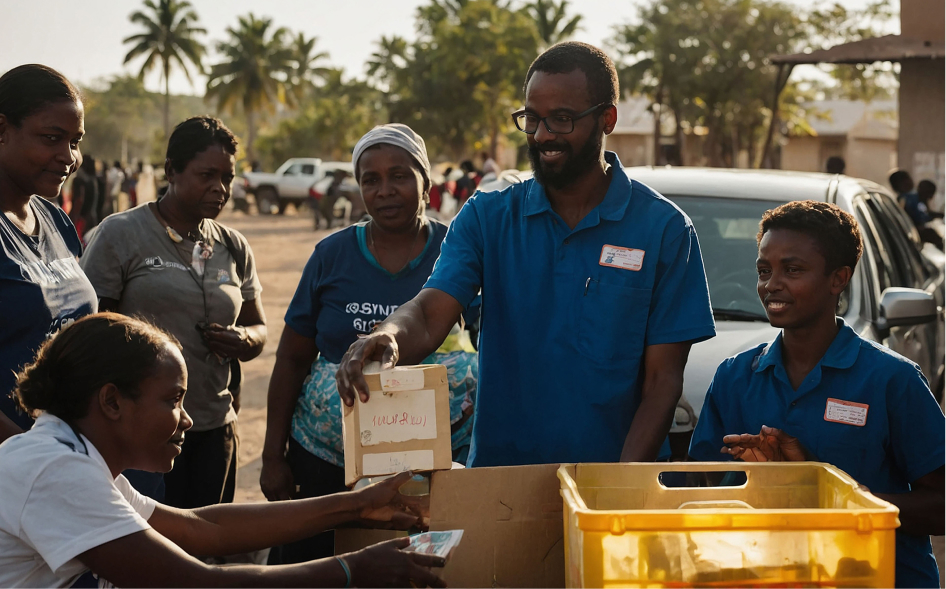


Social issues are key in Africa, where challenges include poverty, social injustice, violence, discrimination and social exclusion.
Sustainable social development is essential to improving the well-being of African populations, and education can play a key role in promoting a fairer, more inclusive society. Education can help strengthen social awareness and raise awareness of social challenges. Educational programs can help promote values such as tolerance, solidarity, diversity and mutual respect. Educated individuals are also more likely to engage in social activities and take action to solve social problems in their communities.
Education can also help reduce social inequalities by providing equal opportunities for learning and development for all individuals, regardless of their origin, gender or socio-economic status. Education programs can help break the cycle of poverty by providing children from disadvantaged backgrounds with a quality education that will enable them to succeed in the job market and contribute to society. In addition, education can play an important role in promoting mental health and social well-being. Educational programs can help build social skills, conflict resolution skills and stress management skills, which can help individuals better cope with social challenges and maintain positive relationships with others.
In conclusion, social development is a major issue in Africa, and education can play a key role in promoting a fairer, more inclusive society. Education can help strengthen social awareness, reduce social inequalities and promote mental health and social well-being.